
10 Options for all budget classes
London has something for everyone!
Trying to figure out where to stay in London for your first visit? You’re definitely not alone: with so many great neighborhoods, it can be hard to know where to start.
The good news? London is incredibly well-connected. Its underground system (locals call it “the Tube”) is one of the best in the world, making it super easy to explore the city, even if you’re not staying right in the center.
That means you can base yourself in neighborhoods you might not have considered, and still get to the major sights in no time.
London is hands-down one of Europe’s most fascinating cities.
From iconic landmarks like Tower Bridge and Buckingham Palace to world-class museums like the British Museum and Tate Modern, the city is packed with things to see and do.
And if you’re into theater, London’s West End is basically the Broadway of Europe, with legendary shows and unforgettable performances.

But it’s not just about history and culture. London is also a food lover’s paradise. Whether you’re wandering through Borough Market or grabbing street food in Camden, you’ll find flavors from all over the world. It’s a true melting pot – buzzing with energy, diversity, and creativity.
With all that going on, choosing the right area to stay in can feel a little overwhelming. That’s why we’ve put together a guide to help you decide.
We’ll walk you through some of the best areas for first-time visitors, each with a quick rundown of its pros and cons, so you can find the spot that matches your style, budget, and travel goals.
A Quick Note on Budgeting for London
Let’s be honest: a trip to London isn’t exactly a budget getaway. Hotel prices here tend to be on the higher side, and staying right next to major attractions like Big Ben or the London Eye usually comes with an even bigger price tag.
That said, there are more affordable areas to stay in, but they’re often a bit further from the touristy center.
If you’re okay with hopping on the Tube a few times a day (which, luckily, is super efficient), you’ll have a better shot at finding a place that doesn’t break the bank.
To make planning easier, we’ve added a handy map at the bottom of this article.
It highlights the city’s top sights, our recommended neighborhoods, and the main metro lines, so you can get a better feel for where everything is.
Hopefully, it’ll help you choose the perfect area for your first time in London!
Ready? Let’s dive into our top recommendations.
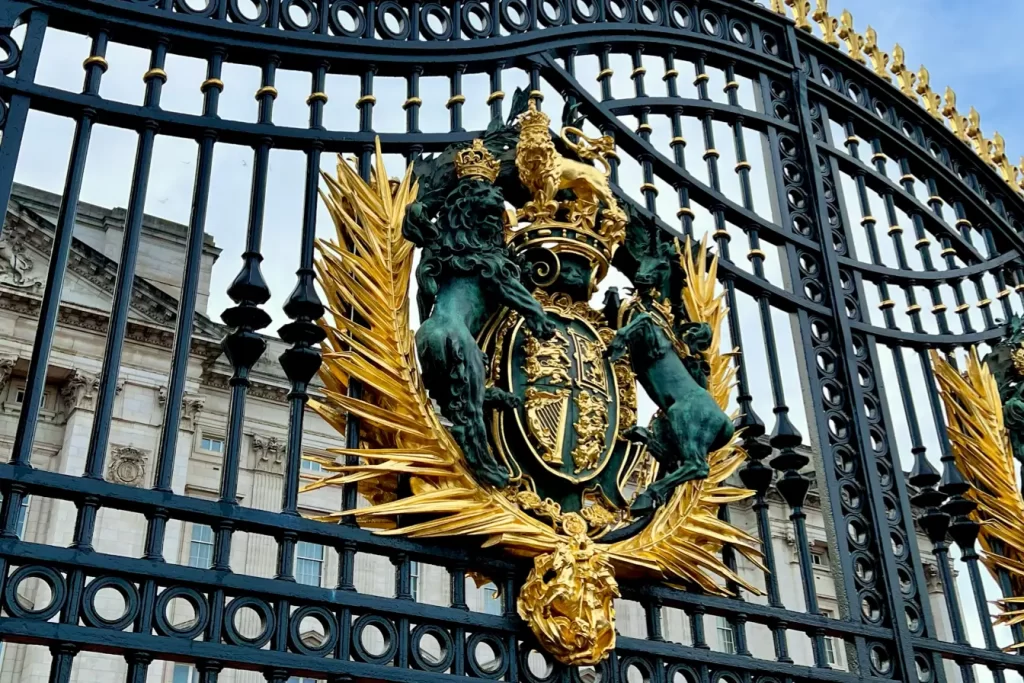
The best areas to stay in London first time are Convent Garden, South Bank & Bankside, Westminster, West End, London Bridge.
Staying here puts you conveniently in the heart of the city center with great access to the metro. But, these are also relatively expensive.
There are alternatives, though.
Paddington & Marylebone, Soho, Chelsea, Shoreditch, and Kingscross/Camden & St Pancras are great options too, but some are still quite pricey.
Summary: Covent Garden and the West End are buzzing with theaters, shops, and street performers, perfect for those who want to be in the thick of it.
Westminster and South Bank offer iconic landmarks and riverside walks, while Soho and Shoreditch are your go-tos for nightlife and trendsetting vibes.
For a more relaxed stay, consider the charm of Chelsea, the village feel of Paddington & Marylebone, or the vibrant mix of history and culture around King’s Cross, Camden, and London Bridge.
Let’s break them down in the following overview.
Below, you find an overview of all the recommended areas along with a short explanation of what makes that area so special.
You can tap on the red link to go immediately to that recommended area. Or, simply continue reading the article.
Covent Garden – This is hands-down one of the most popular places to stay for first-timers. It’s central, walkable, and surrounded by theaters, shops, and street performers, with many top attractions just a short stroll away.
South Bank & Bankside – A fantastic base if you want to be central while making the most of London’s excellent public transport. Plus, you’ll be right by the river with lovely views and easy access to sights like the Tate Modern and the London Eye.
Westminster – You’ll be sleeping near royalty here, literally. Home to Big Ben, Westminster Abbey, and Buckingham Palace, it’s packed with iconic landmarks. Just be prepared for central London prices.
The West End, Mayfair & Belgravia – These upscale neighborhoods offer some of London’s most exclusive addresses. Expect a mix of luxury hotels, elegant streets, and high-end shopping – ideal if you’re splurging a bit.
London Bridge – Foodies, this one’s for you. With Borough Market and Maltby Street Market just around the corner, plus quick connections to key attractions, London Bridge hits the sweet spot between convenience and character.
Paddington & Marylebone – Tucked near Hyde Park, this area is quieter and more residential: a great pick for families or those who want a peaceful retreat without straying too far from the action.
Soho – If nightlife is a priority, look no further. Soho is buzzing with bars, restaurants, and clubs, perfect for travelers who want to stay out late and soak up the city’s vibrant energy.
Chelsea – Chic, stylish, and unmistakably posh, Chelsea is ideal for fashion lovers and shoppers. Think designer boutiques, charming streets, and a polished, upscale vibe.
Shoreditch – Once gritty, now trendy, Shoreditch is one of London’s coolest neighborhoods. With street art, creative energy, vintage shops, and indie cafes, it’s a great choice for a more alternative, youthful stay.
King’s Cross, Camden & St Pancras – Traveling on a tighter budget? These areas offer some of the best value for money while still being incredibly well-connected. You’ll also find lively markets, music venues, and a bit of London’s edgier side.
Covent Garden is easily the most popular area to stay in for first-time visitors, and it’s not hard to see why.
With a super central location, you’ll be just a short walk from iconic spots like Piccadilly Circus and Chinatown, and even major landmarks like Buckingham Palace, the British Museum, and the National Gallery aren’t far off.
That said, London is huge, and its highlights are spread all over the city.
So while Covent Garden is definitely central, no area puts everything within walking distance.
The Tube is your friend, and luckily, Covent Garden is incredibly well-connected with access to three major metro lines, making it a breeze to get around.
Aside from its location, the area itself is a joy to explore.
Expect lively streets full of shops, restaurants, cafes, and bars, along with street performers adding a fun, artsy vibe to the mix.
And if you’re up for a night out, Soho’s buzzing nightlife is just around the corner.
Of course, all that convenience and charm comes at a price, Covent Garden is one of the more expensive places to stay in London.
But for many travelers, the easy access to major sights and the vibrant local atmosphere are well worth it.
Best for: Sightseeing tourists who want to be in the middle of it all
Pros: Most popular area among tourists, close to many highlights, access to three Tube lines, lively vibe, near Soho
Cons: It’s pricey, but you’re paying for location and convenience
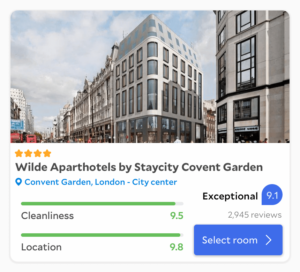
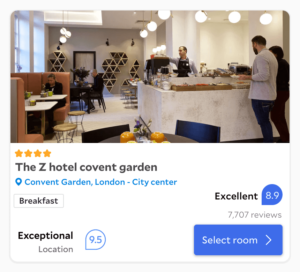
Located just across the Thames from Covent Garden, South Bank & Bankside offer a fantastic mix of convenience, views, and cultural hotspots, all with Waterloo Station right on your doorstep.
This makes it a perfect base for first-time visitors who plan to explore as much of London as possible.
As mentioned earlier, getting around easily is key in a city as spread out as London, and this area really delivers on that.
But there’s more to South Bank & Bankside than just great transport.
Start with the stunning river views, depending on where you’re standing, you might catch the Big Ben, London Eye, or even St. Paul’s Cathedral in the skyline.
Plus, you’re just a short walk or ride away from iconic sights like Westminster Abbey, Trafalgar Square, and more.
Strolling along the Thames here is a joy, you’ll pass by striking architecture, modern galleries, and plenty of cozy cafés and restaurants along the riverside.
While the nightlife isn’t as wild as what you’ll find in Soho, there are still plenty of laid-back bars and dining spots with a view.
And foodies, don’t miss Borough Market.
Technically it’s in a nearby neighborhood, but it’s just a quick Tube ride away. Packed with street food stalls and specialty shops, it’s a must-visit for anyone who loves to eat their way through a city.
Best for: Sightseeing tourists who value views, culture, and easy transport
Pros: Excellent public transport access, central location, beautiful riverside walks
Cons: Can be expensive, quieter nightlife compared to other areas like Soho
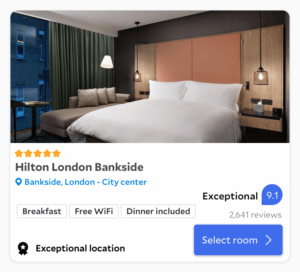

If you’re all about the big-name sights, Westminster might just be your dream base.
This is where you’ll find Buckingham Palace, Big Ben, Westminster Abbey, 10 Downing Street, Wellington Arch, and Westminster Cathedral, all packed into one historic, postcard-perfect district.
It’s no surprise that Westminster is one of the top choices for tourists visiting London for the first time. You’re right in the middle of some of the city’s most famous landmarks.
That said, there’s a little nuance here. Most hotels are actually located just south of the main sights, so don’t expect everything to be right outside your door.
And this brings us back to one of London’s quirks: the attractions are spread out, so no matter where you stay, you’ll likely need to rely on public transport to get around.
Luckily, Victoria Station is close by, giving you quick access not only to the rest of London but also to day trips and even other countries (hello, Eurostar!).
One thing to note: staying in Westminster usually comes with a hefty price tag.
It might be worth it for the unbeatable views and prime location, but if you’re watching your budget, you might want to look elsewhere and trade a few extra Tube rides for a better hotel deal.
Still, waking up with the Thames on your doorstep and views of London’s most iconic buildings? That’s a memory worth splurging for.
Best for: Sightseeing tourists who want easy access to Victoria Station and major landmarks
Pros: Incredible central location, riverside views, excellent transport connections
Cons: Very expensive, and not all highlights are within walking distance from your hotel
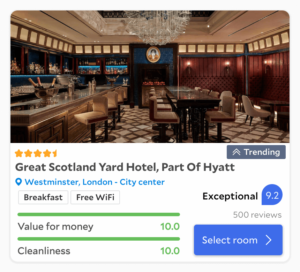

If you’re after an upscale stay in London, it doesn’t get much better than The West End, Mayfair, and Belgravia.
These neighboring districts wrap around Hyde Park and Green Park, right near Buckingham Palace, and offer a refined, elegant base for exploring the city.
Just like Westminster, this area gives you easy access to some of London’s most iconic sights – and if you fancy a lively evening out, Soho’s vibrant nightlife is just around the corner.
So why choose Westminster over this trio?
Mostly because of Victoria Station, which makes Westminster a little more practical for first-timers looking to get around the city easily. But honestly, the difference in location is minimal – and if luxury is your priority, Mayfair and Belgravia edge ahead.
Mayfair, in particular, is home to some of the most prestigious addresses in London, along with high-end boutiques, Michelin-starred restaurants, and some of the city’s finest hotels.
Belgravia offers a quieter, residential elegance, while the West End buzzes with theaters, galleries, and stylish streets.
Of course, luxury comes at a price, and this area isn’t known for being budget-friendly.
But if you’re used to the finer things in life, you’ll feel right at home here.
Best for: Luxury travelers looking for an elegant, central location
Pros: Prime location, close to major landmarks and nightlife, prestigious vibe with top hotels and dining
Cons: Very expensive — but you get what you pay for


Staying near London Bridge comes with a handful of perks, especially if you’re into history, food, or just want to be well-connected while sightseeing.
To start, you’ll have some big-name attractions right nearby, including the Tower of London, Winchester Palace, and of course, London Bridge itself.
But what really makes this area stand out is the food scene.
Just steps away, you’ll find Borough Market, a must-visit for food lovers, packed with street food stalls, artisan produce, and international flavors.
And for something a bit more off the radar, Maltby Street Market is just around the corner, offering a more local, hipster vibe.
Getting around from here is also a breeze.
You’re close to Waterloo Station, one of the city’s major transport hubs, which makes day trips and cross-city travel super easy.
All in all, London Bridge is a solid option for sightseeing, with a nice mix of local character, good eats, and practical convenience.
Just keep in mind that while it’s lively during the day, it doesn’t have the same kind of energy at night as areas like Soho or Piccadilly Circus.
Best for: Sightseers and food lovers who want great transport access
Pros: Close to major landmarks, fantastic food markets, great transport links
Cons: Some highlights are a bit further out, quieter nightlife
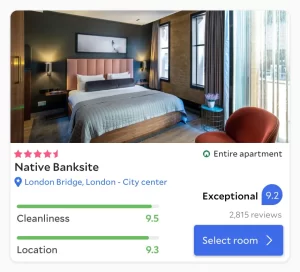

Located just north of Hyde Park, the neighborhoods of Paddington and Marylebone offer a quieter alternative to London’s busier districts.
While Paddington is a bit further from the tourist-packed city center, both areas are well-connected by Tube, making it easy to get around – even if it sometimes takes a couple of line changes to reach your final stop.
On my second visit to London, I stayed here, and honestly, I loved the break from the city’s non-stop energy.
Waking up to a peaceful morning stroll through Hyde Park, passing the Princess Diana Memorial Fountain, Kensington Palace, and the Royal Albert Hall as the sun came up – it never got old.
It’s the kind of place where you can recharge after a long day of sightseeing.
And when you’re ready to dive back into the action, Soho and Covent Garden are only a few stops away, perfect for a night out or a great dinner.
While it might not be the most central or buzzing area, Paddington and Marylebone are ideal for those who value a bit of peace and space, especially couples and families who want a more relaxed base without sacrificing convenience.
Best for: Couples and families who want a quieter stay with easy transport
Pros: Calm and residential, great access to Hyde Park, well-connected by metro
Cons: Less lively, requires travel to reach the more bustling areas

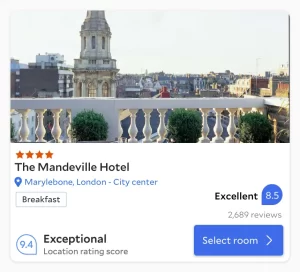
If you’re looking for late nights, live music, and buzzing streets, Soho is the place to be.
Right in the heart of central London, this area is known as the city’s nightlife capital, packed with bars, clubs, restaurants, and everything in between.
It’s lively, loud, and a magnet for night owls.
For younger travelers, solo adventurers, or anyone who loves being out and about after dark, Soho offers an unforgettable base.
But if you’re after peace and quiet in the evenings, this probably isn’t your best bet, you’ll want to look elsewhere.
Locals often flock to Soho on the weekends, making it one of the busiest nightlife spots in town.
That said, Shoreditch and Camden are also popular nightlife areas worth considering.
Camden, especially, is a favorite among students and live music fans, thanks to its pub scene and alternative vibe.
Soho isn’t just about nightlife, though. It’s also home to Regent Street, one of London’s top shopping destinations, where you’ll find everything from luxury fashion to electronics.
On a budget? Head to Carnaby Street, a vibrant shopping strip with indie boutiques and more wallet-friendly options.
During Christmas, Carnaby is beautifully lit and full of holiday cheer.
Bottom line: Soho is one of the most energetic and exciting areas in London, especially for those who want to stay out late and be in the center of the action.
Best for: Party-minded travelers, young adults, and night owls
Pros: Most bustling area in London, amazing nightlife, central location
Cons: Not ideal if you’re looking for peace and quiet

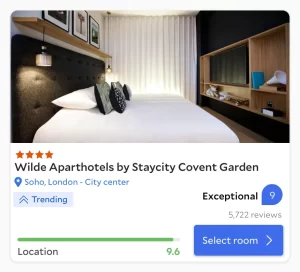
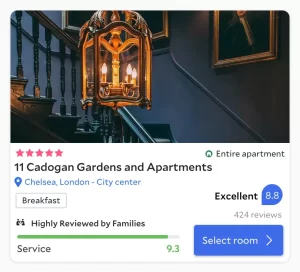
If you’re drawn to luxury, fashion, and a touch of old-money elegance, Chelsea might just be your perfect London base.
Located on the west side of the city center, near Hyde Park, Chelsea is known for its chic streets, upscale boutiques, and a local crowd that includes more than a few of London’s rich and famous.
As you move west, away from the tourist-heavy core, the city starts to feel more residential, but Chelsea and neighboring Kensington act as a sort of posh buffer zone between London’s iconic landmarks and its quieter suburbs.
Here, the vibe is upscale and refined, with art galleries, leafy streets, and gorgeous architecture.
Shopping is a major draw in Chelsea.
From designer boutiques to high-end fashion houses, it’s a paradise for fashionistas.
And if you want to take things up a notch, the legendary Harrods is just a stone’s throw away in nearby Knightsbridge.
Food lovers will also appreciate the dining scene: polished, stylish, and just as luxurious as you’d expect.
While you won’t be right next to the major tourist sights, you’ll have easy access to Hyde Park, and the city center is just a short Tube ride away.
Still, this area is all about quiet sophistication, so if you’re more into trendy nightlife or budget travel, other areas might suit you better.
Best for: Travelers who love shopping, style, and a luxury neighborhood vibe
Pros: Great shopping, access to Hyde Park, elegant and upscale atmosphere
Cons: It’s a high-end area, so prices reflect that

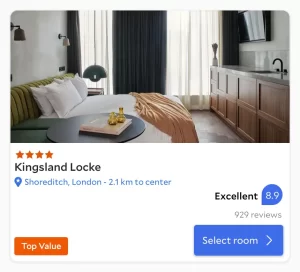
Once a gritty, somewhat rough-around-the-edges part of London, Shoreditch has gone through a massive transformation – and today, it’s one of the trendiest neighborhoods in the city.
With a mix of creative energy, vintage shops, independent markets, and buzzing nightlife, it’s become a magnet for young travelers, artists, and budget-conscious visitors looking for something a bit different.
While it may not be home to the postcard landmarks, staying in Shoreditch puts you just east of the main tourist center, near the Tower of London, which means you’ll need to hop on the Tube to reach spots like Buckingham Palace or the British Museum.
But what you lose in centrality, you gain in atmosphere.
This is the place to discover London’s street art scene, dig through quirky markets, and grab a bite at one of the many cool cafés or pop-up food stalls.
It’s lively, colorful, and far less touristy than central areas, all while offering more affordable hotels and a vibe that feels distinctly local.
There’s a general rule that the further east you go in London, the rougher it can get, but Shoreditch is an exception.
It’s safe, exciting, and full of personality, while still holding onto that nostalgic edge of its past.
Best for: Young travelers, creatives, and budget-conscious visitors
Pros: Trendy and full of character, more affordable than central areas, unique shopping and dining
Cons: Few major landmarks nearby, requires more travel to reach tourist hotspots
Doubting between Soho and Shoreditch?
Read our article where we compare these two popular, trendy neighborhoods!

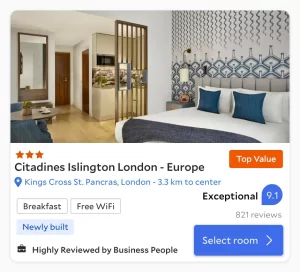
Up until now, most of the recommended areas for first-time visitors to London have shared a lot in common, central location, decent nightlife, maybe a posh twist here or a quieter vibe there.
But when it comes to budget-friendliness, King’s Cross, St Pancras, and parts of Camden stand out as a clear winner.
Located just north of the city’s main tourist zones, this area is still considered central, but it sits a little outside the typical sightseeing bubble.
That means lower hotel prices, more affordable restaurants, and a bit more of a local feel – all without putting you too far off the grid.
Yes, you’ll need to hop on the Tube to reach most of London’s top attractions, but staying near King’s Cross or St Pancras stations means you’re incredibly well-connected.
These are two of the city’s biggest transport hubs, making it super easy to switch lines and get just about anywhere.
While you won’t find iconic landmarks right outside your hotel, the money you save on accommodation can go toward food, shopping, or day trips.
And for something a little livelier, Camden is just up the road, known for its edgy vibe, markets, and music scene.
If you’re traveling on a tighter budget but don’t want to sacrifice location or comfort, this area is one of the smartest picks in London.
Best for: Budget-minded travelers who still want a central, well-connected base
Pros: Excellent transport links, central yet affordable, great selection of budget hotels
Cons: You’ll need to travel to reach most major sights

Where to stay in Amsterdam first time
Where to stay in Barcelona first time
Where to stay in Berlin first time
Where to stay in Budapest first time
Where to stay in Istanbul first time
Where to stay in Lisbon first time
Where to stay in London first time
Where to stay in Madrid first time
Where to stay in Paris first time
Where to stay in Prague first time
Where to stay in Rome first time