TravelFoodExpert

Baixa vs. Alfama: Which One Is A Better Option?

If you’re torn between Baixa vs Alfama, you’re not alone, these are two of Lisbon’s most iconic neighborhoods.

And both are right in the heart of the action.

I’ve stayed in both (and wandered their streets more times than I can count), and while they’re just a short walk apart, the experience in each is completely different.

This quick comparison will help you figure out which one fits your vibe better.

baixa vs alfama

Baixa: Central, Flat, and Super Convenient

Let’s start with Baixa, Lisbon’s downtown.

It’s the most central part of the city, and everything here is organized, open, and super walkable.

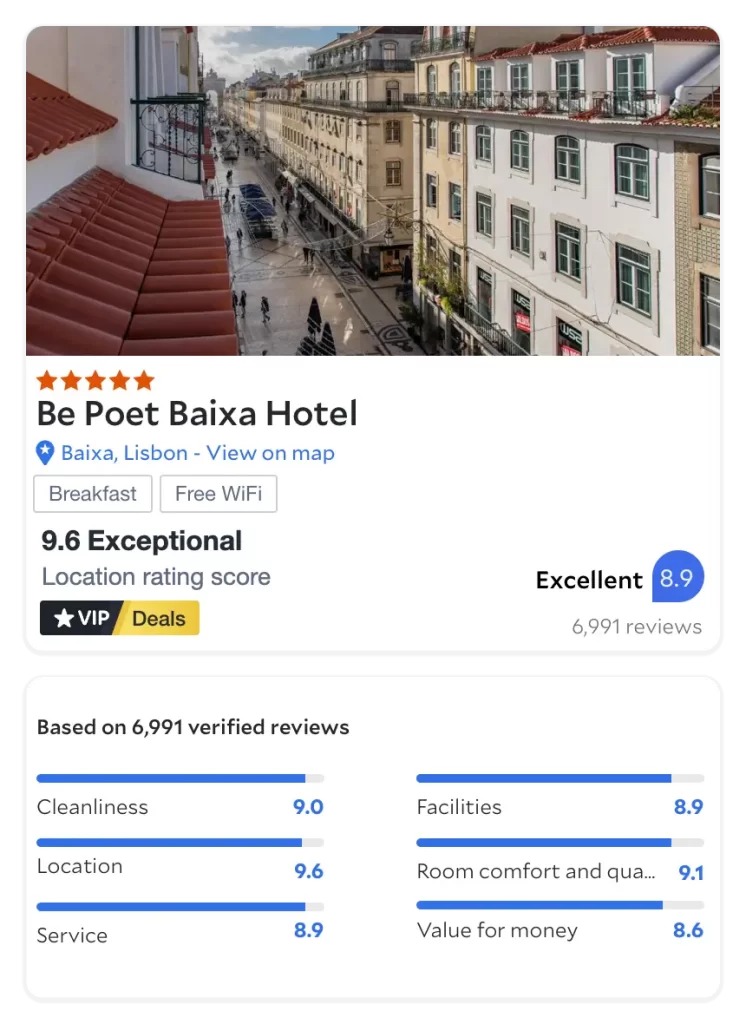
Think wide boulevards, grand plazas, tiled facades, and symmetrical 18th-century architecture: all built after the devastating 1755 earthquake.

You’ll find big-name hotels, international shops, and loads of cafés spilling out onto the sidewalks.

Staying in Baixa means you’re in the center of everything.

You’re walking distance from the waterfront, Praça do Comércio, Chiado, Bairro Alto, the Santa Justa Lift, and yes, even Alfama.

It’s ideal for first-time visitors who want to hit all the major sights without navigating too many steep hills (which is rare in Lisbon!).

Baixa also has excellent public transport.

The metro, trams, buses, and trains all pass through here, and you’re only about 10 minutes from the airport by taxi.

If you’re planning day trips (to Sintra, Cascais, etc.), Baixa is a solid base logistically.

The downside? It can feel a little commercial and, depending on the time of year, very touristy.

The character here is more “European capital” than quirky Lisbon, and at night it’s definitely quieter than neighborhoods like Alfama or Bairro Alto.

But for comfort, convenience, and clean design, Baixa is a solid win.

Alfama: Old-School Charm and Fado Soul

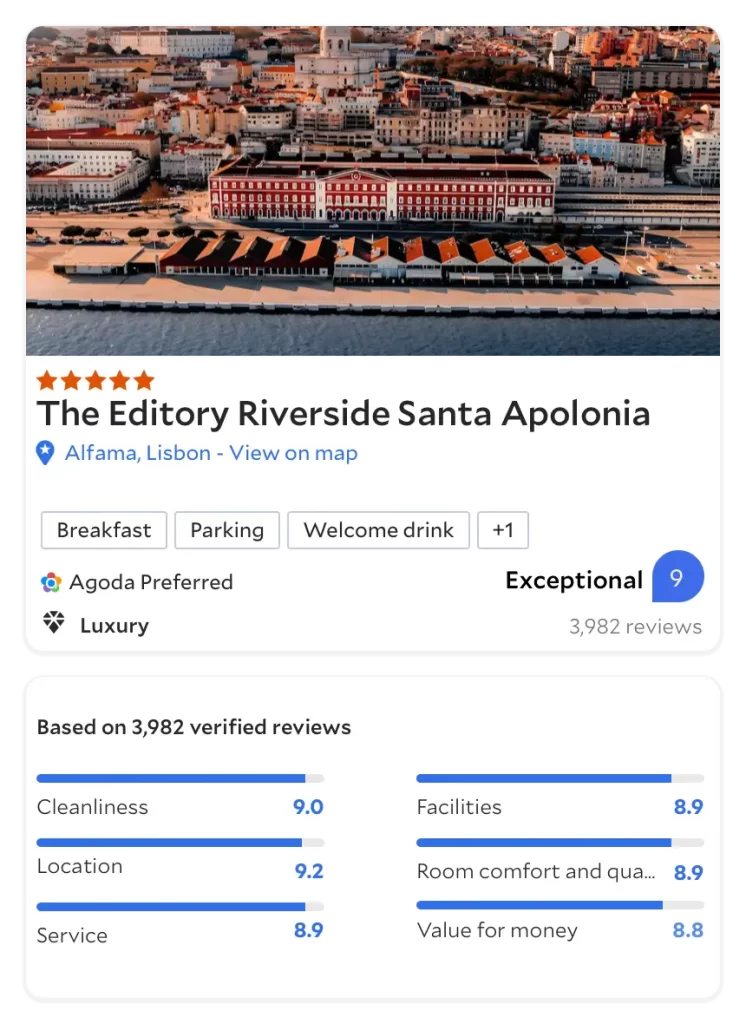
Now let’s talk about Alfama, Lisbon’s oldest and most soulful neighborhood.

This place is all about character.

Narrow cobbled streets, laundry hanging from balconies, tiled doorways, old men playing cards on the street corner, and the sound of fado music drifting from tiny taverns at night.

Alfama is Lisbon at its most authentic, and also its most photogenic.

You’re staying in a living, breathing piece of history.

It’s home to major sights like the Sé Cathedral, São Jorge Castle, and countless scenic miradouros (viewpoints).

It’s also where the famous Tram 28 rattles through impossibly tight curves and up steep hills.

The vibe here is laid-back and romantic, especially at sunset.

Expect boutique guesthouses, charming Airbnbs, and lots of locally-owned spots.

Alfama’s nightlife revolves more around live fado music and wine bars than partying.

It’s perfect for couples, photographers, or travelers who want to soak up the local rhythm.

That said, Alfama has hills – lots of them.

You’ll be climbing stairs and wandering up and down uneven cobbled streets daily.

It’s not ideal for people with mobility issues or those hauling around heavy luggage.

And public transport here isn’t as seamless as it is in Baixa.

Final Verdict: Baixa or Alfama?

Stay in Baixa if you:


  • Want to be super central and easily get around the city

  • Prefer wider streets, organized layouts, and accessibility

  • Are visiting Lisbon for the first time and want to hit all the sights

  • Like having easy access to public transport and day trips


Stay in Alfama if you:


  • Want an old-world, romantic atmosphere with local charm

  • Are into history, photography, and wandering scenic alleyways

  • Don’t mind climbing hills and getting a little lost (in the best way)

  • Prefer a quieter, more soulful stay away from the tourist buzz


Honestly, both neighborhoods are within walking distance of each other, so you can explore both no matter where you stay.

But your base does shape your experience – so go with the one that matches your style and pace.